In Montville, stormwater is not directed (intentionally) to the existing sewerage. The sewers are
“separated” from the municipal storm water system(s). It is against the law to intentionally direct
stormwater to the sewers.
Stormwater runoff is generated from rain and snowmelt events that flow over land or impervious
surfaces, such as paved streets, parking lots, and building rooftops, and does not soak into the ground.
The runoff picks up pollutants like trash, chemicals, oils, and dirt/sediment that can harm our rivers,
streams, lakes, and coastal waters. To protect these resources, communities, construction companies,
industries, and others, use stormwater controls, known as best management practices (BMPs). These
BMPs filter out pollutants and/or prevent pollution by controlling it at its source.
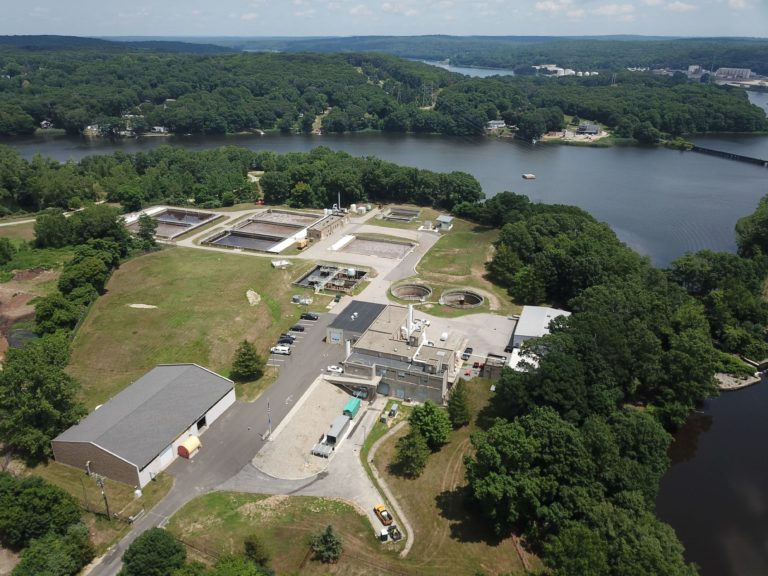
Developing a Stormwater Pollution Prevention Plan (SWPPP) is essential for the Water Pollution Control
Facilities (WPCF) to manage stormwater discharges and prevent pollution. A SWPPP includes core
elements such as site maps, BMPs, inspection schedules, maintenance plans, and documentation. It
demonstrates compliance with regulations and outlines a strategy to prevent pollution, manage erosion,
and maintain compliance throughout any construction.
The CTDEEP Stormwater General Permit regulates stormwater discharges. The WPCF is required to
meet the General Permit for the Discharge of Stormwater Associated with Industrial Activity. The
CTDEEP is in the process of in the reissuance of the General Permit (permit’s expiration on September
30 with the renewal permit issued on October 1, 2025). The CTDEEP will finalize the new permit on
November 1, 2025 but no new requirements necessary until April 1, 2026. All users continue under the
old permit until registered. The new stormwater analytical testing requirement period does start
January 1 (with those reports sent in electronically until the new USEPA portal is established). There are
some changes incorporated into the plan, and the plan needs to be updated before registering. The
Superintendent has met with both the CTDEEP and the WPCA Engineer to ensure compliance.